Warranties
  Rebates
  Tax Credits
  Sustainability
  Careers
  Help
Help 



Gas Water Heater Types Explained: Atmospheric, Power Vent, Direct Vent, and More
August 5, 2026
 Facebook
  X
X  LinkedIn
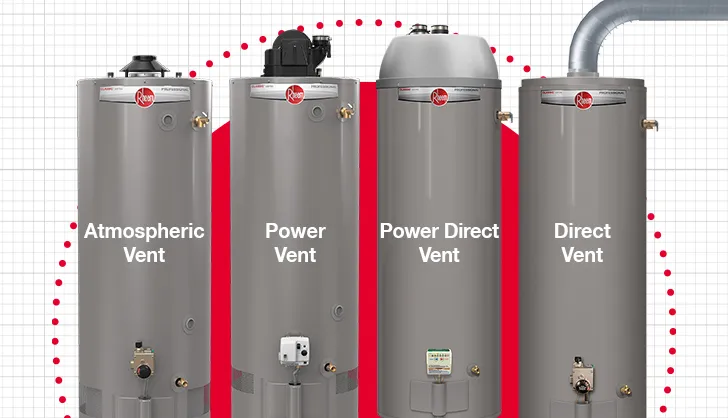
 If you’re shopping for a new gas water heater, you’ve likely come across terms like atmospheric vent, power vent, and direct vent. Understanding the differences can help you choose the right water heater for your home’s layout, efficiency goals, and installation requirements.
This guide breaks down the most common types of gas water heaters and explains when each option makes the most sense.
What Is an Atmospheric Vent Water Heater?
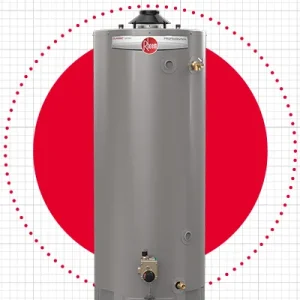
Atmospheric vent water heaters are the most common type of gas water heater in U.S. homes.
These units use natural draft venting, which means hot exhaust gases naturally rise through a vertical vent or chimney and exit the home. Because they don’t require a fan or electrical connection for venting, atmospheric models are often the simplest and most cost-effective option.
Best for:
- Homes with an existing vertical chimney or metal vent
- Straightforward replacement installations
- Homeowners looking for a lower upfront cost
Things to consider:
- Requires adequate indoor air for combustion
- Must be vented vertically
- Installation options may be limited in some home layouts
What Is a Power Vent Water Heater?
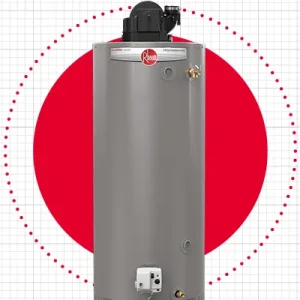
Power vent water heaters use an electric blower to push exhaust gases outdoors through a vent pipe.
Because the fan actively moves the exhaust, power vent models can typically vent horizontally through an exterior wall, creating more installation flexibility when a traditional chimney isn’t available.
Best for:
- Basements or utility rooms without access to a vertical vent
- Homes where flexible vent routing is needed
- Replacing an atmospheric unit when venting challenges exist
Things to consider:
- Requires electricity to operate
- Typically costs more than atmospheric models
- Fan operation may produce some noise
What Is a Direct Vent Water Heater?
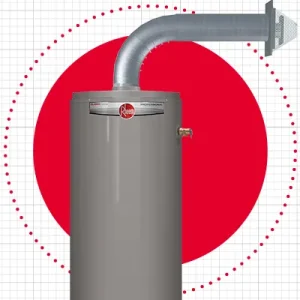
Direct vent water heaters are designed as a sealed combustion system. They draw fresh combustion air from outside the home and vent exhaust gases directly outdoors through a dedicated vent assembly.
Because combustion air comes from outside, direct vent units can be an excellent solution for tightly sealed homes or installations where indoor air supply is limited.
Best for:
- Tightly constructed homes
- Areas where indoor combustion air is restricted
- Homeowners seeking added installation flexibility
Things to consider:
- Requires access to an exterior wall or approved vent pathway
- Installation requirements vary by model
What Is a Power Direct Vent Water Heater?
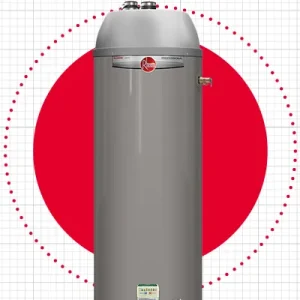
Power direct vent water heaters combine the benefits of direct vent and power vent technology. These units use sealed combustion while also utilizing a blower to move intake air and exhaust gases.
This combination provides maximum installation flexibility and allows venting over longer distances than many standard direct vent systems.
Best for:
- Complex installations
- Homes with limited venting options
- Situations where sealed combustion is preferred
Which Type of Gas Water Heater Is Right for You?
The best gas water heater depends largely on your home’s venting configuration, available space, and installation requirements. If your existing water heater is working with a traditional chimney, an atmospheric model may be the simplest replacement. If venting flexibility is important, power vent, direct vent, or power direct vent models may be a better fit.
A qualified plumbing professional can evaluate your home’s setup and recommend the best solution for reliable hot water, safety, and long-term performance.
Looking for a new gas water heater? Rheem offers a full range of atmospheric, power vent, direct vent, and power direct vent models designed to deliver dependable hot water for homes of every size.