Warranties
  Rebates
  Tax Credits
  Sustainability
  Careers
  Help
Help 


Training the Trade for What’s Next
June 3, 2026

 Facebook
  X
X  LinkedIn
 Trade Training & Education
By Renese Brashier, Director, Sales & Product Training & Strategy, Rheem North America
Breaking Down Silos Between Air and Water
For decades, the trade has operated in clearly defined lanes. Today’s contractors, plumbers, HVAC professionals, electricians, and technicians are navigating an increasingly connected ecosystem — one shaped by new technologies, evolving regulations, and rising expectations around sustainability and performance. To keep pace, training must evolve just as quickly.
Training led the initial charge of bringing Rheem North America to life. Bringing air and water together allows Rheem to be the best partner, sharing consistent messages and delivering complete whole-home solutions for the trade. By aligning these trade disciplines early on, we proved that bridging the gap was not just a business strategy — it was a mechanical necessity.
This shift is especially clear with heat pumps. Whether we’re talking about HVAC systems or water heaters, heat pump technology sits at the intersection of air and water. Our training must break down silos and approach courses from a technology standpoint. Multitrade learning better reflects how the industry actually operates today.
Keeping Pace with Regulation and Technology
Regulation plays a large role in the evolution of training the trade. Department of Energy (DOE) requirements, updated codes, and environmental standards are accelerating change on both the air and water side. Our job is to make sure the trade has access to current, practical, and standardized education.
One way we are measuring our success is our recent recognition with the DOE Energy Skilled Program for our heat pump water heater training. This recognition certifies the rigor of our training programs and gives trainees a credential listed with their business on Google search results to demonstrate their competency. Due to the success of this partnership, Rheem is also pursuing this recognition for our air system heat pump training.
Why Refrigerant Training Matters More Than Ever
One area where training has become critical is refrigerant handling. Working with the Environmental Protection Agency, Rheem now offers EPA 608 certification proctored directly at our Innovation Learning Centers. This has traditionally been associated with HVAC, but as heat pump water heaters become more common, plumbers also need to understand the requirements for proper and environmentally safe refrigerant disposal. As a manufacturer of products with refrigerant charges, we recognize our role in supporting the trade to install and properly dispose of products at their end of life.
Sustainability Is Built into Training
Our training inherently includes sustainability by sharing the latest technologies, products, and best practices. In the last year alone, Rheem North America trained more than 29,000 plumbers, contractors, and distributors on the systems defining the industry’s future. Today’s tanks, tankless systems, boilers, and heat pumps are fundamentally different from what existed even a decade ago. They offer homeowners greater efficiency, smarter controls, and real peace of mind. To deliver those benefits, professionals need a holistic understanding of how sustainable products, systems, and homeowner expectations are evolving together.
Investing in the Next Generation of the Trade
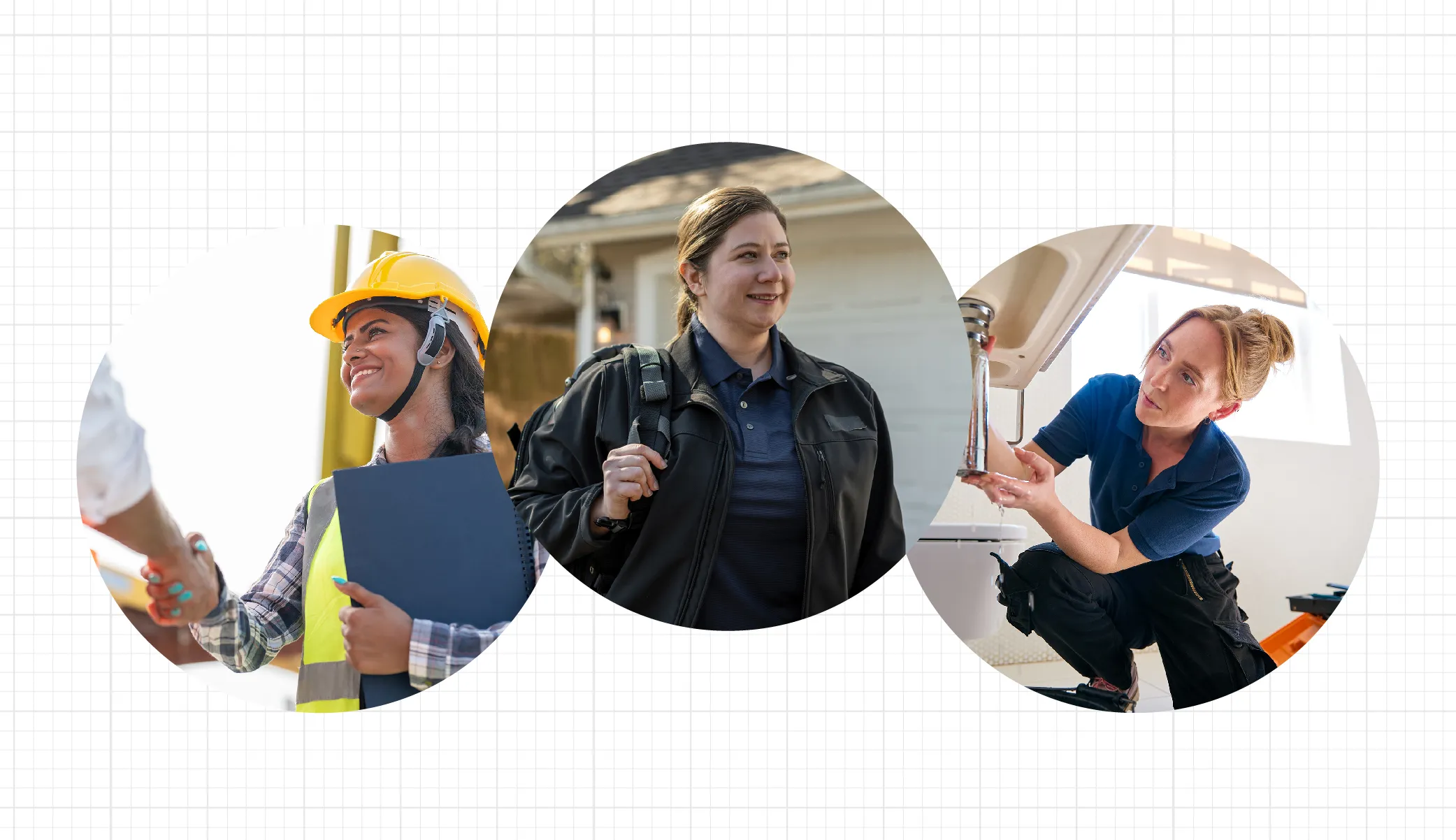
None of this works without investing in the future workforce. Partnerships with trade schools and high schools are essential to rebuilding and inspiring interest in the trade. Rheem has partnerships with 17 trade schools and works closely with distributor and retail customers, who have their own robust training goals to further the skills of those entering the plumbing, HVAC, and multi-trade space.
For me, this work is deeply personal. Everything we install ends up in someone’s home, supporting someone’s family. Training the trade is about giving people the skills, confidence, and knowledge to do that work the right way — today and in the years ahead. These trainings are far more than showcasing our new products; as we educate the trade with new skillsets, we strengthen the communities we serve.